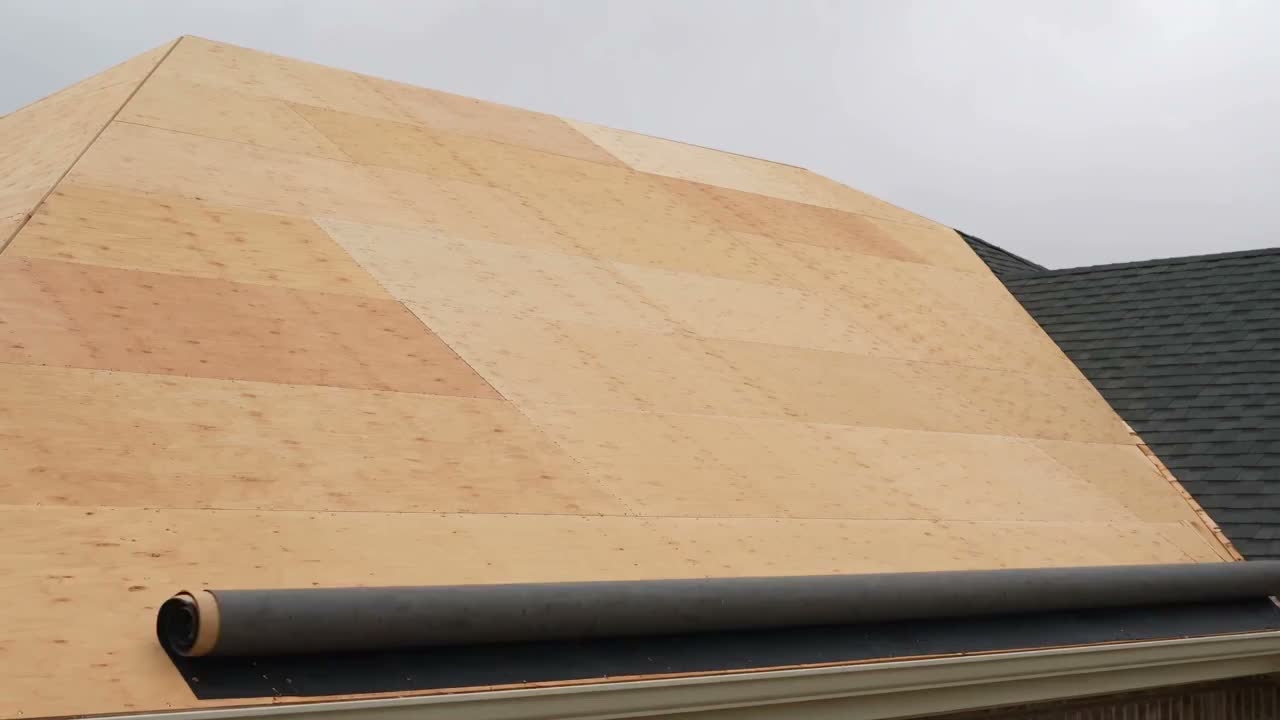
Straight-line wind is the signature risk
Central Ohio's flat, open terrain gives summer wind events a running start, and derecho-style straight-line winds have taken more roofs here than tornadoes have. The inspection starts where wind starts: ridge lines, rake edges and the field fasteners on the windward side.
A tab that lifted once and resealed leaves a crease you can read a year later. Finding those before the next front comes through is the difference between a repair now and a deck-soaking later — true in Hilliard and Gahanna exactly as it is downtown.
Freeze-thaw and the ice-dam line
Winter here hovers around freezing rather than sitting below it, which is the worst pattern a roof can get: melt by day, refreeze by night, and standing ice at the eaves prying at the first course. Ice-and-water membrane at the eaves is code minimum, not a finish line — the inspection checks how far up it actually runs.
Homes from Worthington to Upper Arlington with original decking get particular attention at the eaves, where forty winters of that cycle concentrate their work.
Hail season sets the granule clock
Spring hail through the northwest suburbs — Dublin and Westerville see their share — rarely punches holes. It bruises. A bruised shingle sheds its granules over the following seasons and exposes the mat to UV, so the inspection reads granule loss in gutters and downspouts as a record of what has already hit the roof.