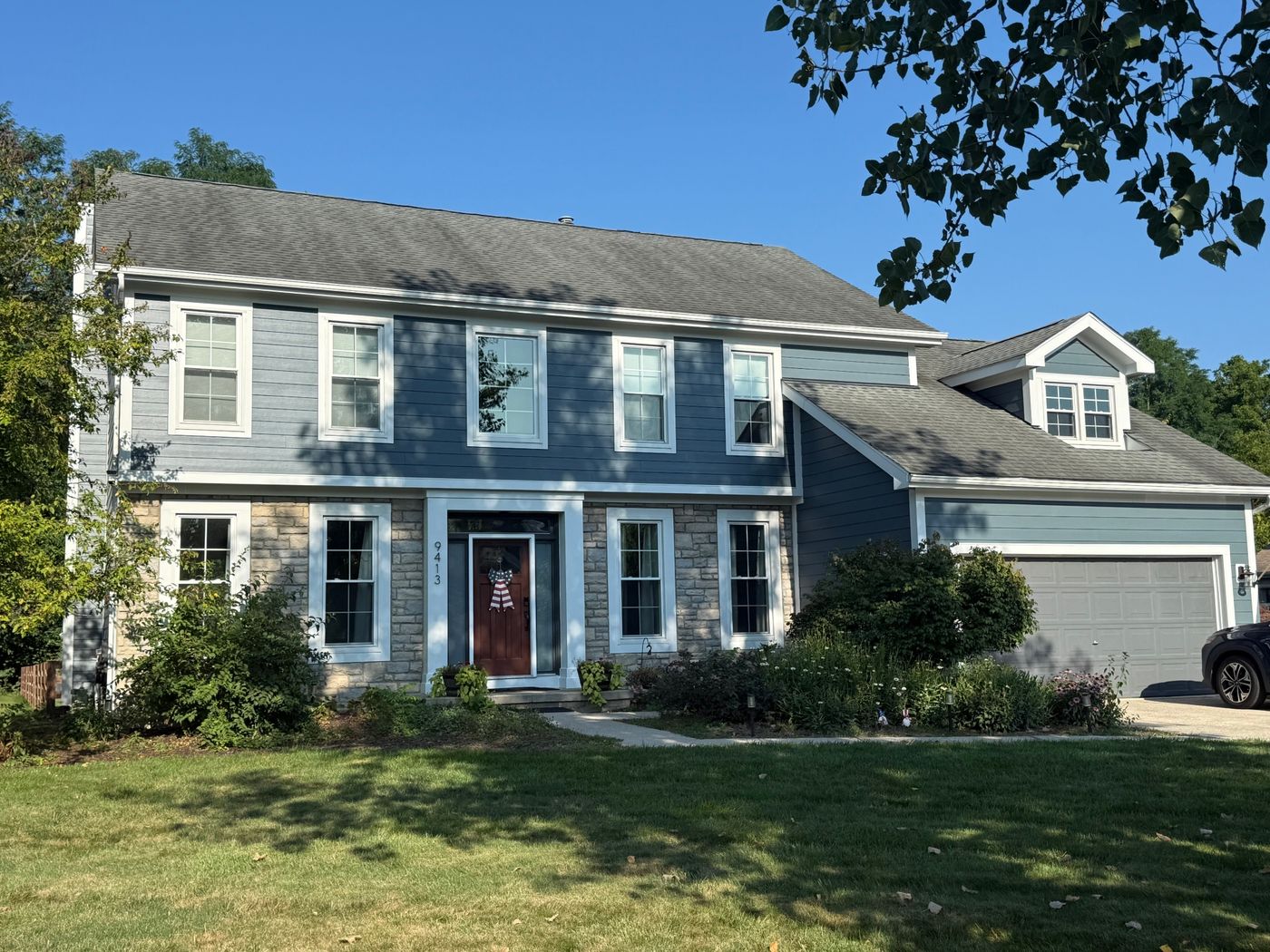
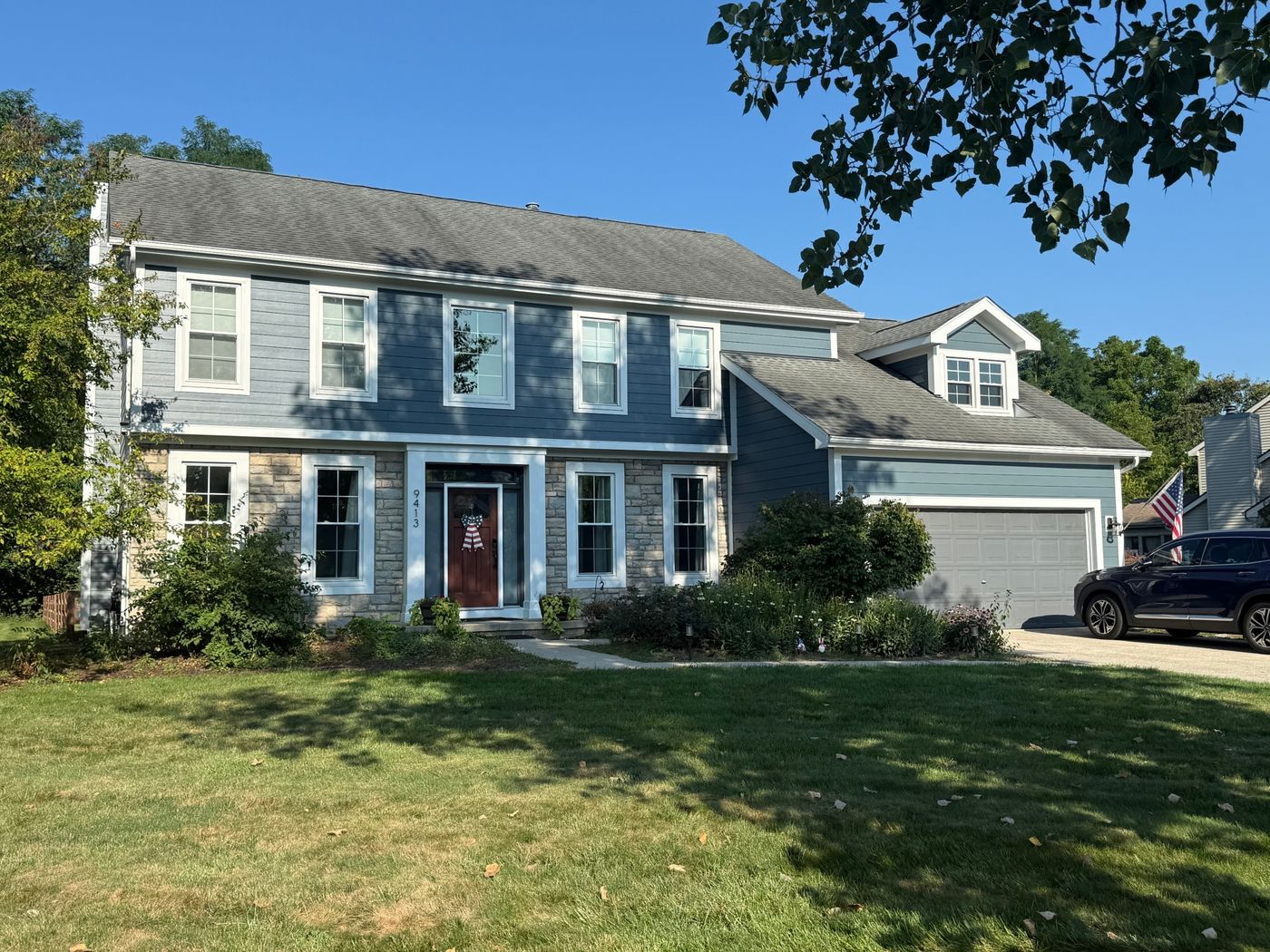
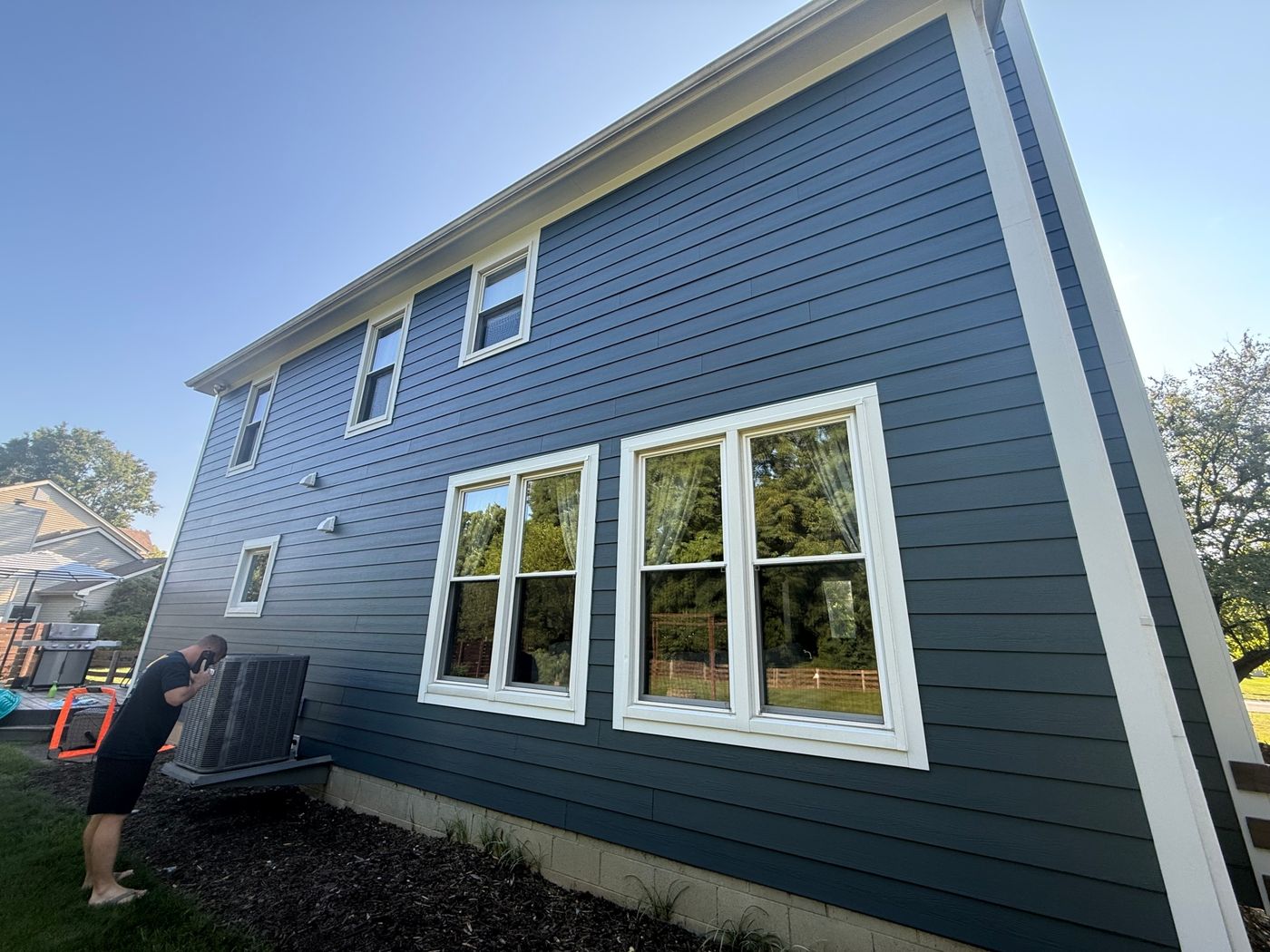
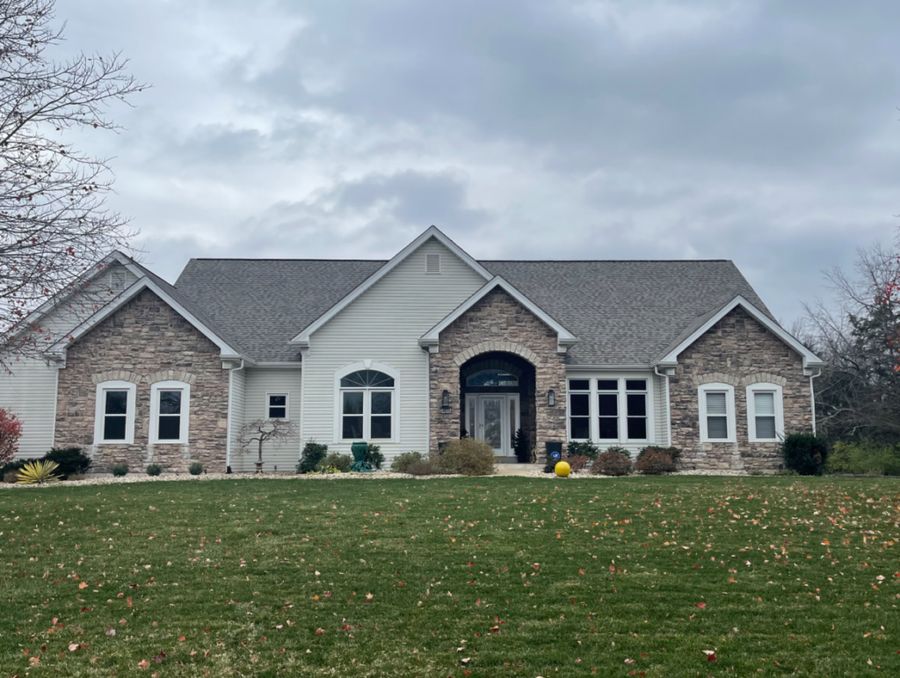
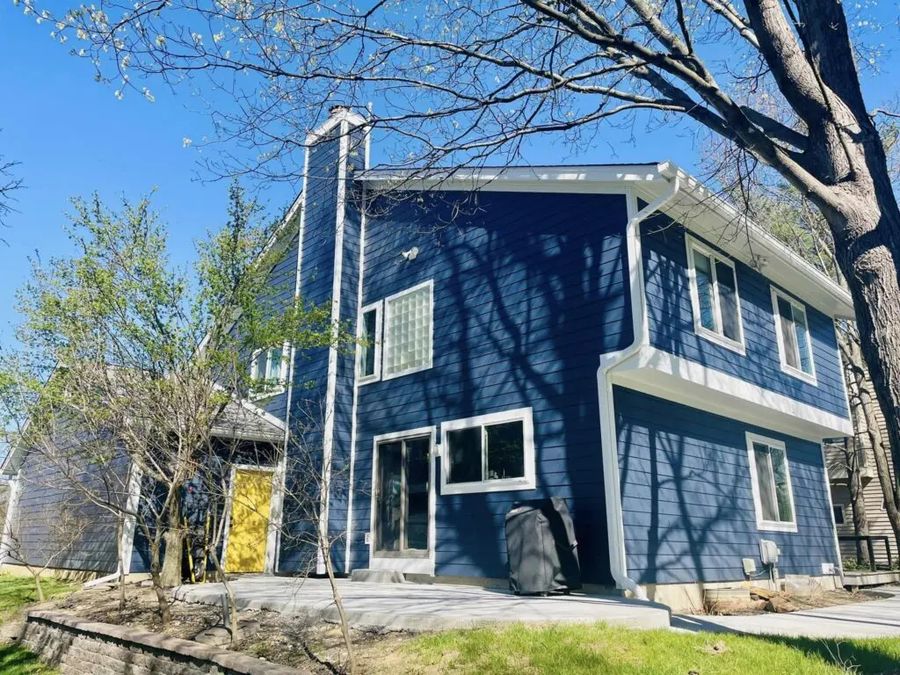
Fiber cement and vinyl solve different problems
Fiber cement is heavier, fire-resistant, holds paint and takes an impact; it costs more and demands precise installation. Vinyl is lighter on budget and maintenance, never needs paint, and moves with temperature by design.
Where both fit the house we quote both, and say which one we would put on our own.
Vinyl is hung, not nailed tight
Vinyl expands and contracts with the weather. A panel nailed hard cannot move, so it buckles in summer and cracks in a cold snap. Fitted right, it hangs on its nailing slots and slides invisibly.
Most "bad vinyl" is bad fitting — the material takes the blame for the installation.
Fiber cement lives and dies by its details
Clearances off the roofline and the grade, flashed butt joints, sealed cut edges, the right fasteners at the right depth. Fiber cement rewards the crew that respects the spec sheet and punishes the one that improvises.
What's behind the siding matters more than the siding
Some water always gets behind cladding, so the wall underneath gets a drainage plane — housewrap lapped to shed, flashing at every opening. The siding is the umbrella; the wrap is the raincoat.
Re-siding is also the one chance to see the sheathing. Soft spots found then cost little to put right. Hidden, they cost a wall.