It is heavy, and that changes the crew
A fiber cement plank weighs several times what a vinyl panel does. It needs more hands, different fastening and a substrate that can carry it, and it does not forgive being hung on a wall nobody checked first.
It is also cut rather than snapped. Cutting it releases silica dust, so it is cut with the right blade and the right control — which is a working practice, not a preference.
Clearances are where installations fail
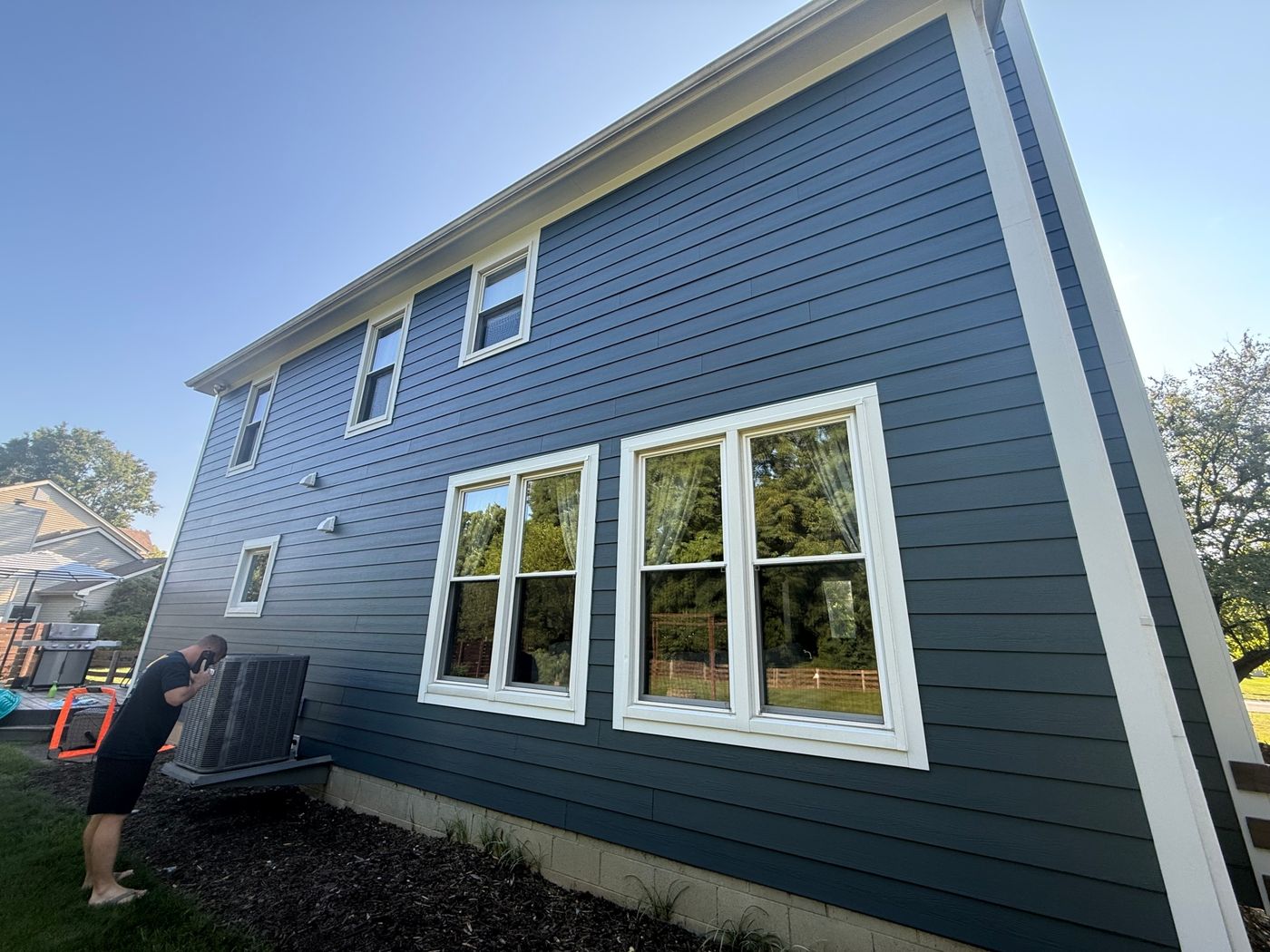
Fiber cement has specified gaps: above the roof line, above decking and horizontal surfaces, and at grade. Those clearances exist because the board will wick water if it sits in it, and wicked water in a freeze-thaw climate splits the board from the inside.
It is the single most common thing we find wrong on fiber cement that somebody else fitted. The board is fine; it was installed tight to a roof and has been drinking for three winters.
ColorPlus or site-painted
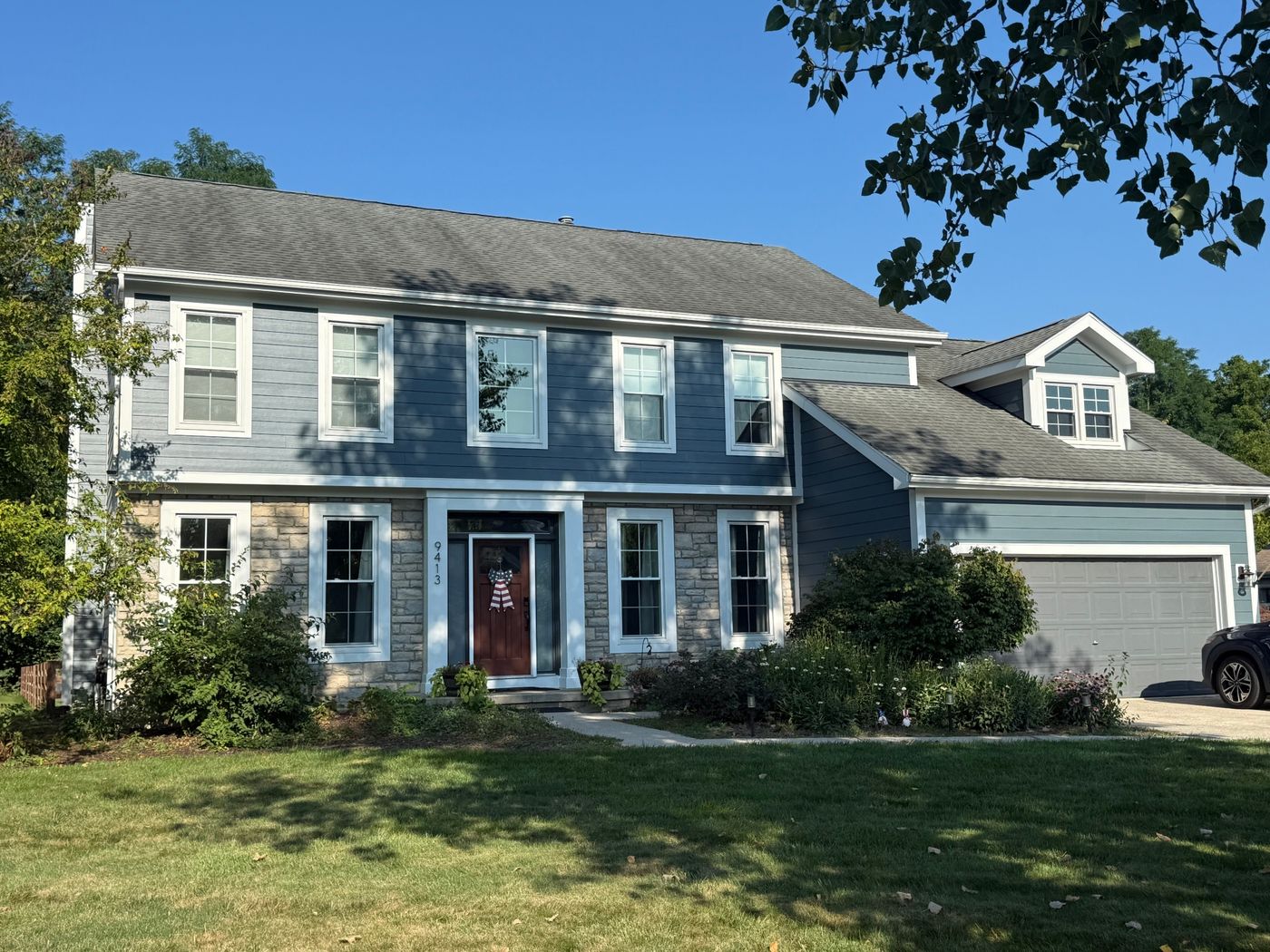
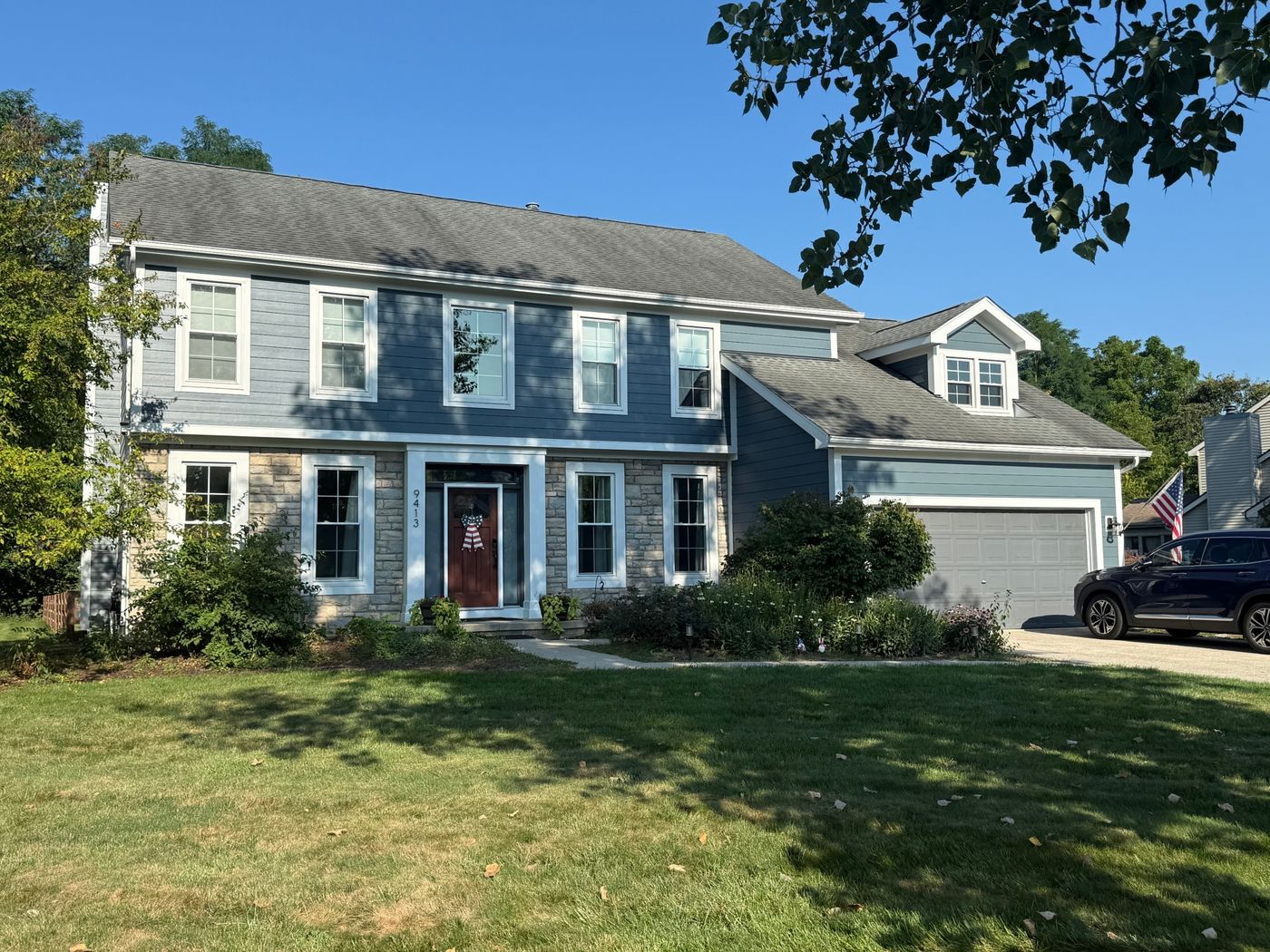
ColorPlus is finished in the factory — baked on, consistent, and it arrives that colour. Site-painted means primed board finished on the wall, which costs less and lets you choose any colour, but the finish is only as good as the day it was applied.
Neither is wrong. Factory finish for longevity and consistency; site paint for colour freedom and for matching something existing. We will quote either and say which we would put on our own house.
Why it suits this climate
Fiber cement does not soften in heat or grow brittle in cold, and it does not give insects anything to eat. In a market that crosses freezing repeatedly through the winter, dimensional stability is worth more than it sounds.
The trade-off is honest: it costs more than vinyl, it is heavier to work with, and a bad installation is more expensive to put right. It is the better material and it is the less forgiving one.